
Veterinary Behaviour Referral Support
Compassionate, evidence-based support for dogs experiencing fear, anxiety, reactivity, aggression and other behaviour concerns.
Based in Kent, I work collaboratively with veterinary professionals to help ensure that clients and their dogs receive thoughtful, appropriate and joined-up care.
Please email the completed referral form and the patient’s clinical history to hello@heartdogbehaviour.co.uk.

A Collaborative Approach
Behaviour and physical health are closely linked. Pain, illness and other underlying medical factors can all influence a dog’s behaviour. In line with the requirements of my Associate membership of the Association of Pet Behaviour Counsellors (APBC), I therefore work solely on veterinary referral.
The referral process allows you to share relevant clinical information, including any investigations or treatment. This helps me build a fuller picture of the dog’s needs and ensures that my behavioural recommendations are safe, appropriate and complement their veterinary care.
Following the initial behaviour consultation, I will send you a summary report outlining my behavioural assessment and the plan provided to your client. With the client’s consent, I am also happy to liaise with you throughout the programme and share any relevant observations, helping to ensure that their behavioural and veterinary care work alongside one another.
How I Support Referred Clients
Behaviour support includes:
• An initial behaviour assessment and consultation of up to two hours, held online or in the client’s home
• A tailored behaviour modification plan, provided within five working days
• Practical, evidence-based recommendations that prioritise the dog’s welfare
• One-hour in-person follow-up visits, either at home or during a supported walk
• 60 or 90 days of ongoing professional support, depending on the client’s chosen programme
• Liaison with the referring vet and other relevant professionals where appropriate

Each dog is considered as an individual, with support tailored to their health, history, environment and the needs of the people caring for them.

How to Refer a Patient
Download and complete the veterinary referral form.
Return the form with the dog’s relevant clinical history, including details of any investigations or current treatment.
The client can contact me at any stage, but their initial consultation can only take place once I have received the completed referral form and relevant clinical history.
Following the consultation, I will send you a summary of my behavioural assessment and the support plan provided.
The completed referral form and relevant clinical history must reach me at least 48 hours before the client’s initial consultation.
Behaviour Concerns I Can Support With
Referrals are welcome for a wide range of behaviour concerns, including:
Fear and anxiety
Reactivity towards people, dogs or other animals
Aggressive behaviour
Resource guarding
Separation-related concerns
Noise sensitivities
Abnormal Repetitive Behaviours
Handling and husbandry concerns
Difficulties between dogs living in the same home
Difficulties between dogs and cats living together
Behaviour changes where physical discomfort or an underlying medical condition may be contributing
This list is not exhaustive. If you are unsure whether a case falls within my area of practice, you are very welcome to get in touch.
Would You Like to Discuss a Case?
If you have a patient you are considering referring, I would be happy to answer any questions about the referral process or whether my service may be appropriate.
Please email the completed referral form and the patient’s clinical history to hello@heartdogbehaviour.co.uk.
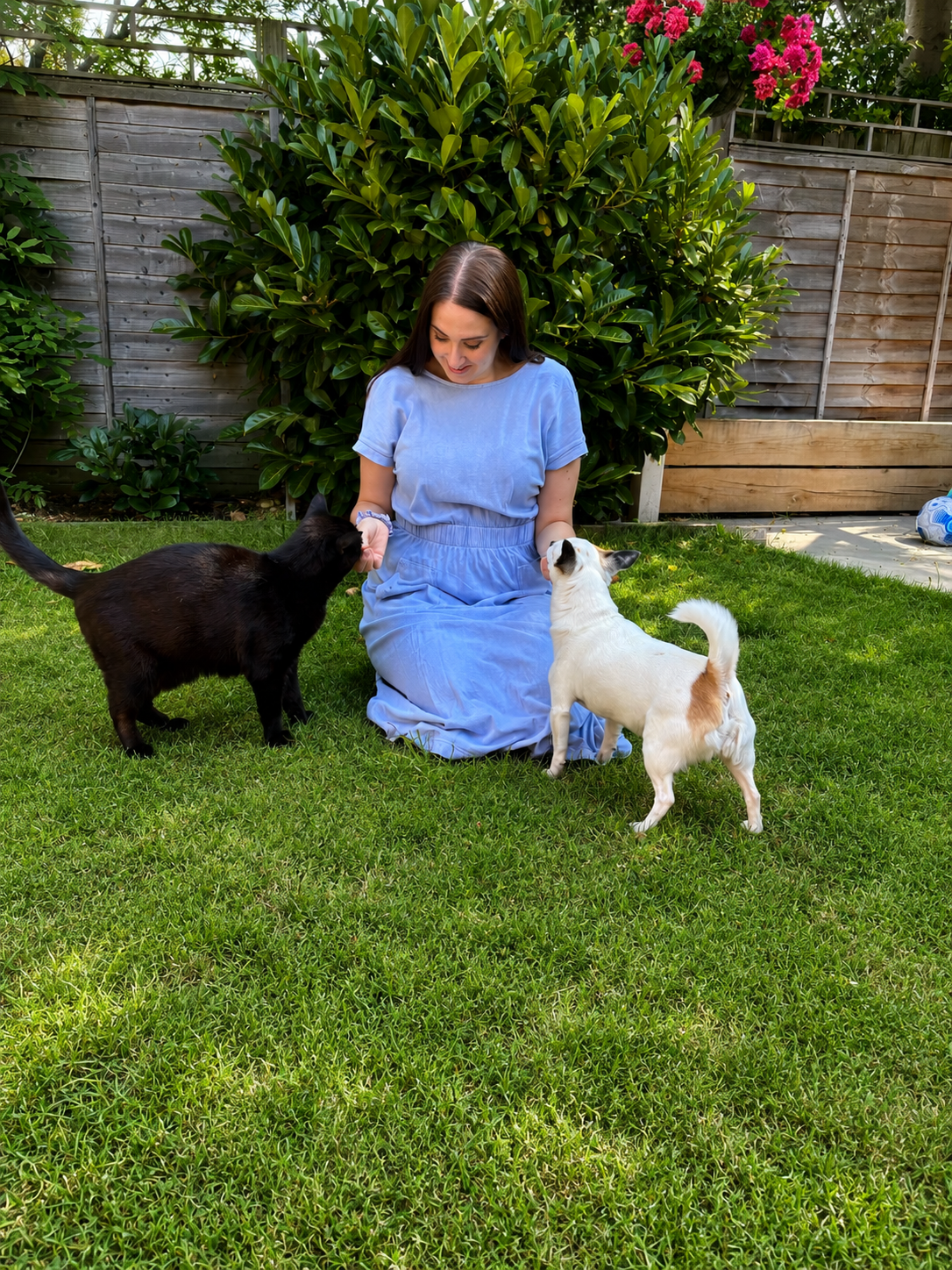
Professional background
MSc Clinical Animal Behaviour awarded with Merit, University of Edinburgh’s Royal (Dick) School of Veterinary Studies
First-class BSc (Hons) Animal Management
Associate Clinical Animal Behaviourist member of the APBC*
Former Post Adoption Support Behaviour Officer at Dogs Trust, with additional RSPCA experience
Behaviour consultant for Companion Animal Wellness and Waggel Pet Insurance
Behaviour consultant for Pet Remedy’s “Ask the Professional” service
Volunteer behaviour support for the Greyhound Trust
Kids Around Dogs (KAD) Approved Professional, with additional training in working with neurodivergent children and their dogs
Professionally insured with Petplan Sanctuary
Ethical, evidence-based, force-free approach
*Associate CAB members have met the knowledge and understanding requirements for the Clinical Animal Behaviourist role and are gaining the practical experience required for assessment for Full membership. The APBC supports Associate members in undertaking behaviour consultations.